Treatments
Different inputs. Different jobs. One strategy.
The Muhr Method is not a collection of gadgets or a menu of things to do to you. It is a way of thinking about how your body moves, responds, adapts and recovers.
The chiropractic adjustment remains at the center. My examination, hands and clinical judgment determine what we do, when we do it and what should come next. The other therapies are here because each can support a specific part of that process: prepare the body, address stubborn tissue, support recovery, challenge adaptability or help you use a change we just created.
Some people begin with one therapy because it matches what they need right now. Others need the complete sequence. Appropriate is better than more.
Explore the seven treatments below and see how each one fits into the larger system.
Chiropractic Care
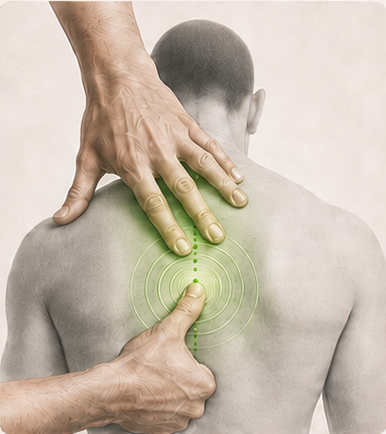
Restores movement and improves how your brain and body communicate.
Helps with: Back pain, neck pain, headaches, stiffness, restricted movement and a body that simply isn’t working the way it should.
Learn More →Focused Shockwave Therapy
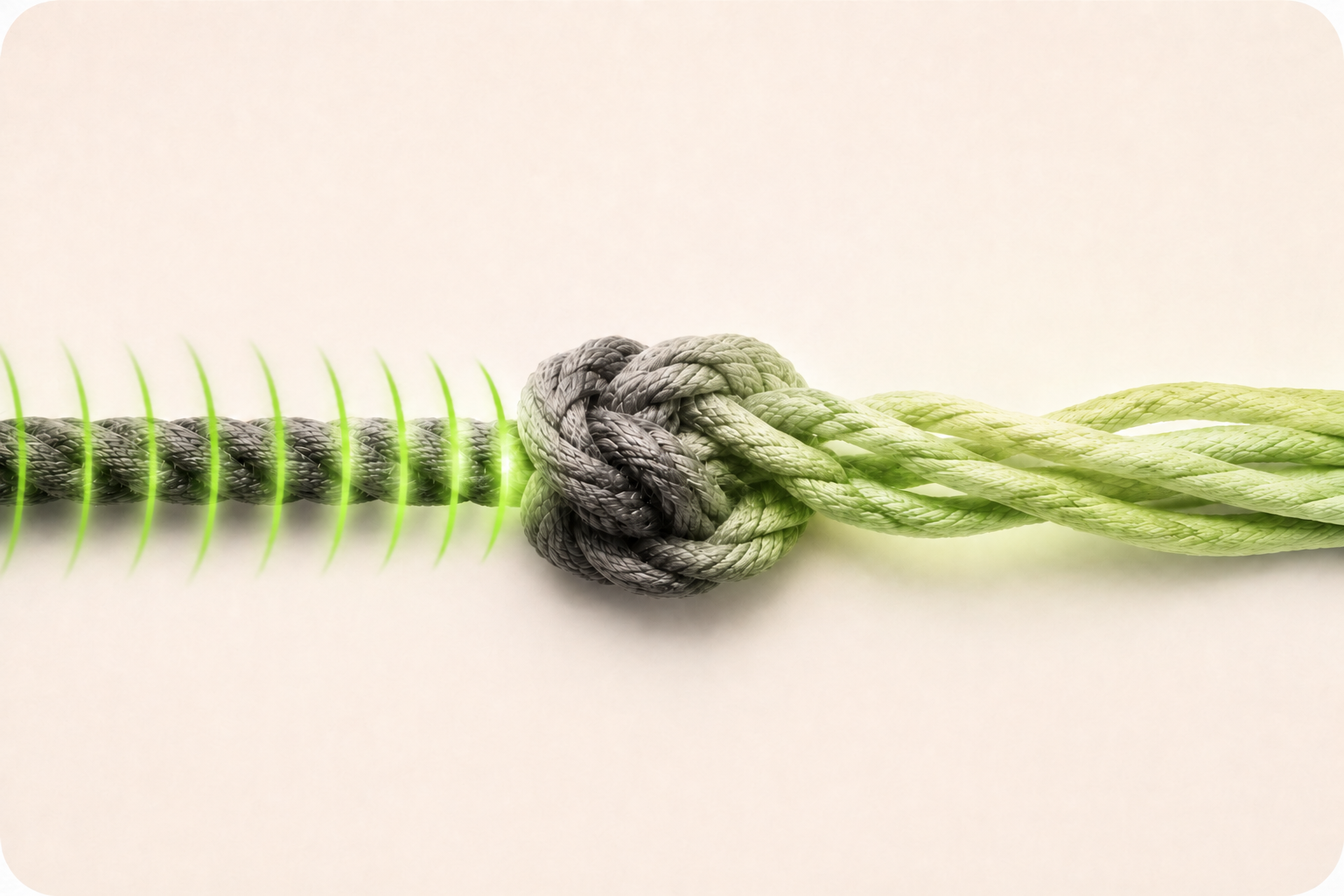
Breaks up scar tissue and promotes healing.
Helps with: Plantar fasciitis, tendon pain, tennis elbow, shoulder pain and stubborn injuries that have stopped improving.
Learn More →Class IV Laser & Photobiomodulation
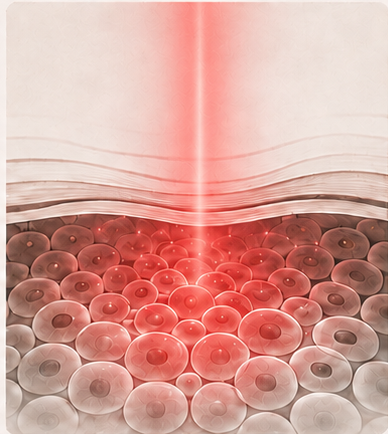
Uses light energy to reduce pain and support cellular repair.
Helps with: Arthritis, joint pain, muscle pain, inflammation, irritated nerves, slow-healing injuries and post-treatment recovery.
Learn More →Intermittent Hypoxic-Hyperoxic Training (IHHT)
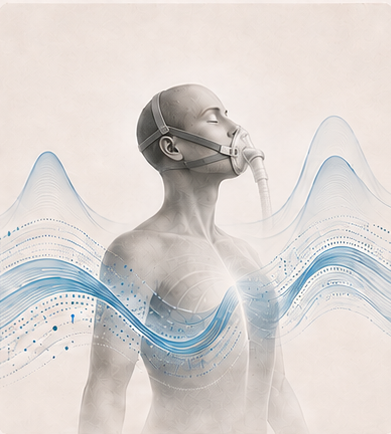
Uses controlled changes in oxygen to improve energy production and train your body to adapt, perform and recover.
Helps with: Low energy, poor endurance, slow recovery, reduced cardiovascular fitness, diminished stress tolerance, brain fog and feeling older than you should.
Learn More →NuCalm
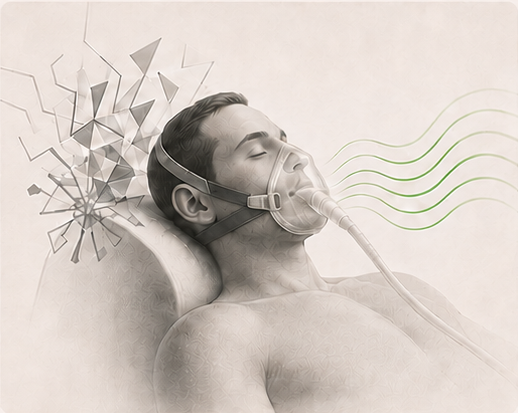
Helps your nervous system shift out of stress mode and into recovery.
Helps with: Feeling wired, difficulty relaxing, mental overload, muscle tension, poor sleep and a body that never seems to switch off.
Learn More →PNF Stretching & Assisted Mobility
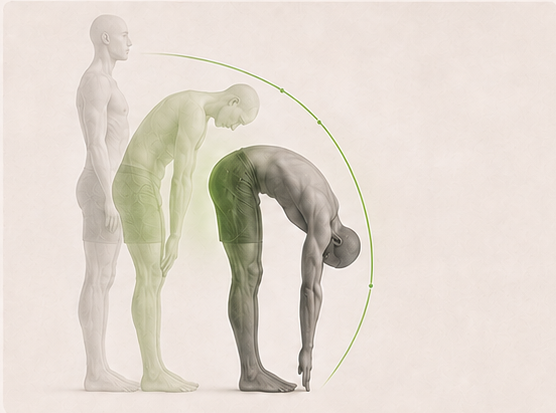
Uses muscle activation and assisted stretching to create better movement.
Helps with: Tight muscles, limited flexibility, restricted joints, poor mobility and movement that still feels guarded after an adjustment.
Learn More →Whole-Body Vibration Training
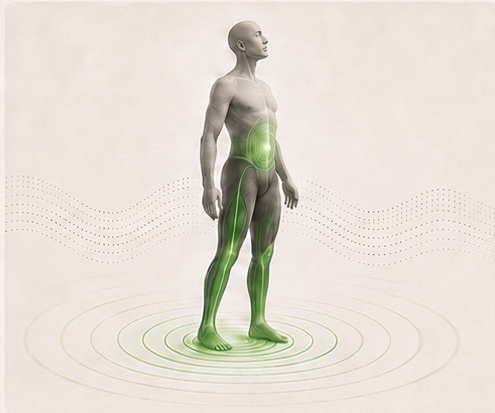
Uses a gentle side-to-side motion to activate muscles and improve balance, stability and control.
Helps with: Poor balance, muscle weakness, reduced stability, sluggish movement and difficulty teaching the body to use newly created mobility.
Learn More →Not sure where to begin?
Start with a NeuroBalance evaluation. We'll find the pattern, show you what it means, and decide what deserves a place in your care.
Schedule Your First Visit →